The PEDAGOGICAL PLATYPUS
Welcome to a space dedicated to sharing practical tools, strategies, and resources for teaching and learning. While we will dive deeply into reflective practice, our focus will always remain grounded in day-to-day classroom activities. Here, “the classroom” isn’t confined to a traditional physical space; it represents any environment where teaching and learning come alive.
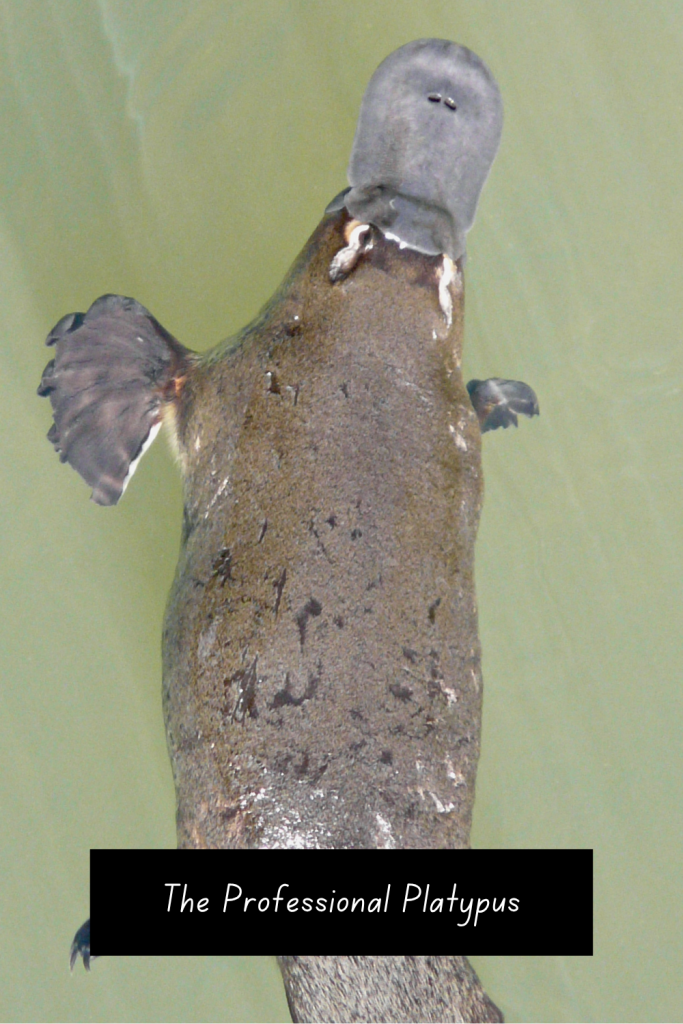
I have chosen to title this section ‘The Pedagogical Platypus’ because this unique metaphor perfectly encapsulates the multifaceted approach to education I want to share. The platypus is one of nature’s most extraordinary evolutionary wonders. By beautifully blending characteristics from various animal classes, it has evolved into a creature exquisitely adapted to its habitat and highly specific way of life. This is exactly what educators should aim to become—perfectly equipped and uniquely adapted to their teaching environments through the intentional use of practical tools, strategies, and resources.
To understand the ‘Pedagogical’ element, it helps to look at how we define pedagogy. Among its many interpretations, I view pedagogy as the human science of teaching methods, practices, and academic study. Crucially, it examines how learning both shapes—and is shaped by—the social, political, and psychological development of learners. While some theorists split hairs between pedagogy (for children) and andragogy (for adults), I prefer a more inclusive approach. Following the tradition of Italy—where I began my professional journey—and most Mediterranean nations, I use ‘pedagogy’ as an overarching term that embraces learners of all ages.